Border towns fascinate me. I like the natural and inevitable mix of people and languages - sometimes even religion and culture - that comes with their location. I like the idea of people crossing the border to do something ritual or routine like shopping or refuel (I am a son of Schengen, I know). It feels exotic and special. And it couldn't be farther from the experience of someone like me, who has grown up hundreds of kilometers away from the nearest foreign country, in a place surrounded by sea on three sides and mountains on the other.
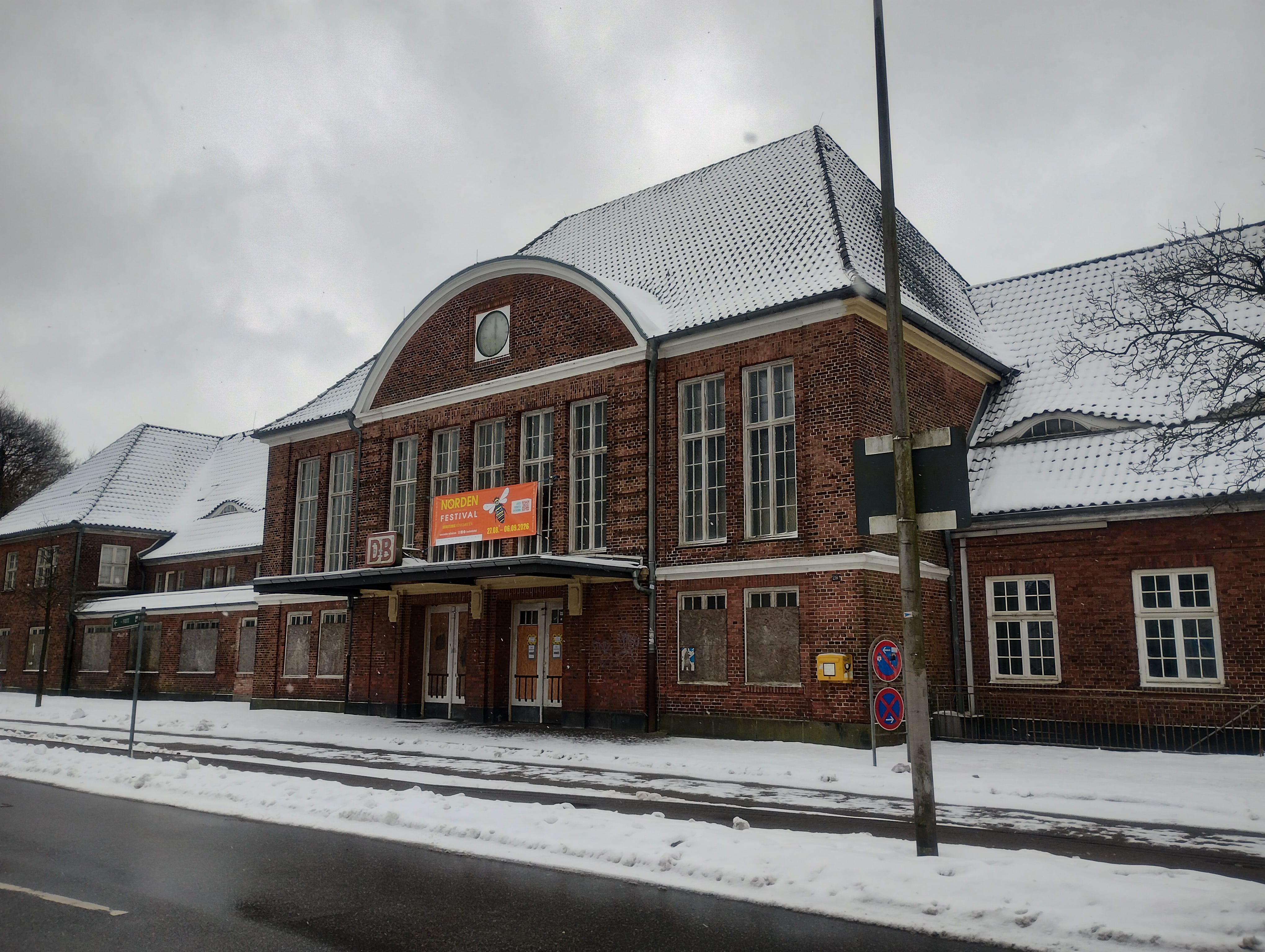
Like most borders, the one between Germany and Denmark has been contended for a long time. It settled in 1920 following a plebiscite, and it's been the same since, although it had moved up and down a lot until then. Take Schleswig, a town of about 25 thousand people around 40 km south of the current border. It used to be the seat of a Duchy, which was part of the Kingdom of Denmark until 1864. Then Prussia took it. When a referendum was hold 56 years later, the city of Schleswig itself wasn't even involved, and only the northernmost part of the region voted to rejoin Denmark. Today, a Danish minority still lives here, it's protected by German Law and is represented in both the national and the state parliament by the South Schleswig Voters’ Association (SSW). How visible would the Danish minority be in a place like Schleswig was something I wondered before visiting the town in February. My general impression has been: not much.
That, of course, doesn’t mean that Scheleswig is missing cultural and historical links to Scandinavia and Denmark. After all, the modern town has evolved from an old Viking settlement, which was actually a fall-back settlement, established after the original one started to be the aim of repeated attacks. And the settlement that came before Schleswig was Hedeby (or Haithabu, feel free to pick the spelling you prefer!), an important trading centre in the Viking world, founded by the same guy who would end up giving his name to a famous wireless technology many centuries later.
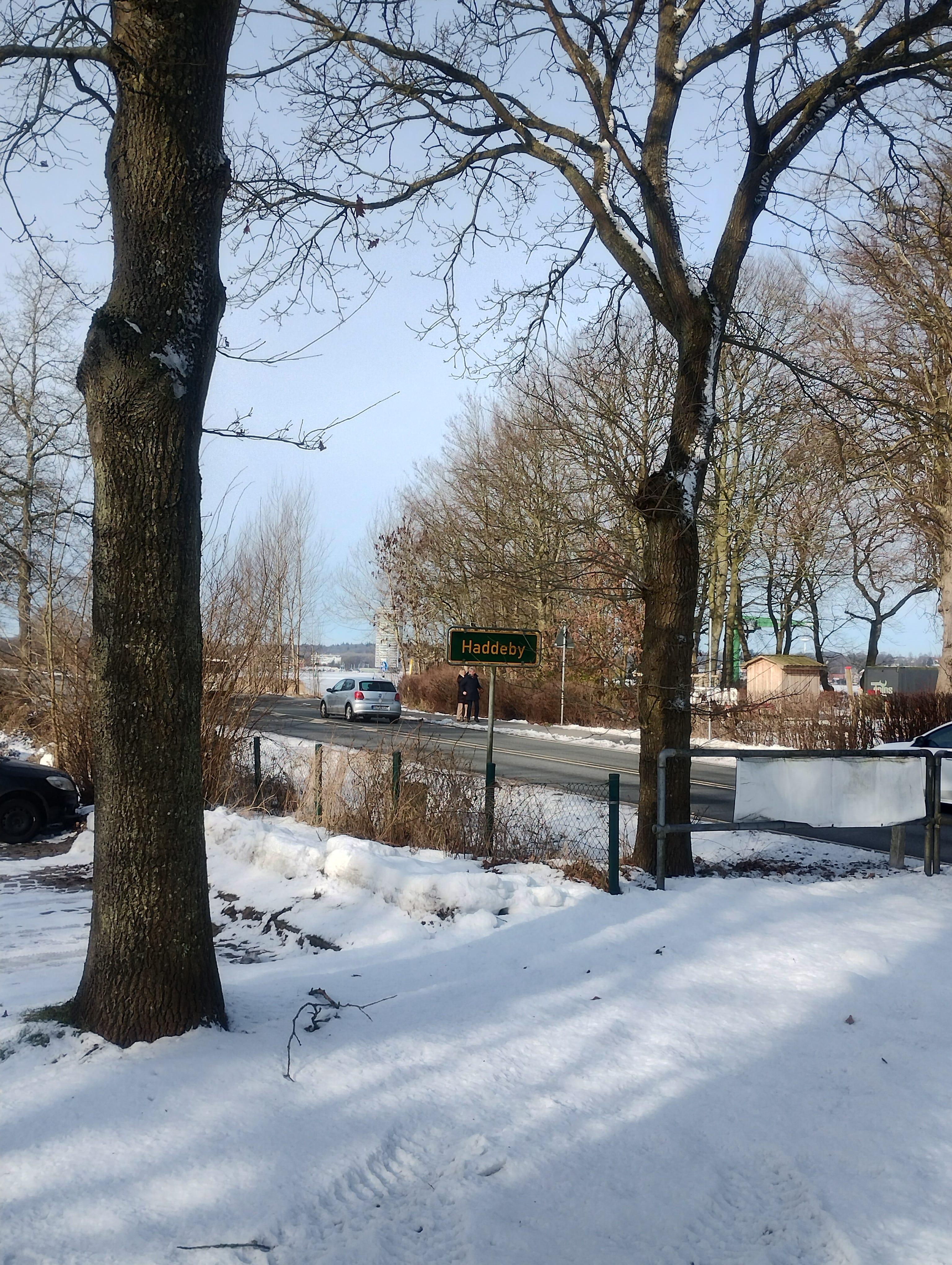
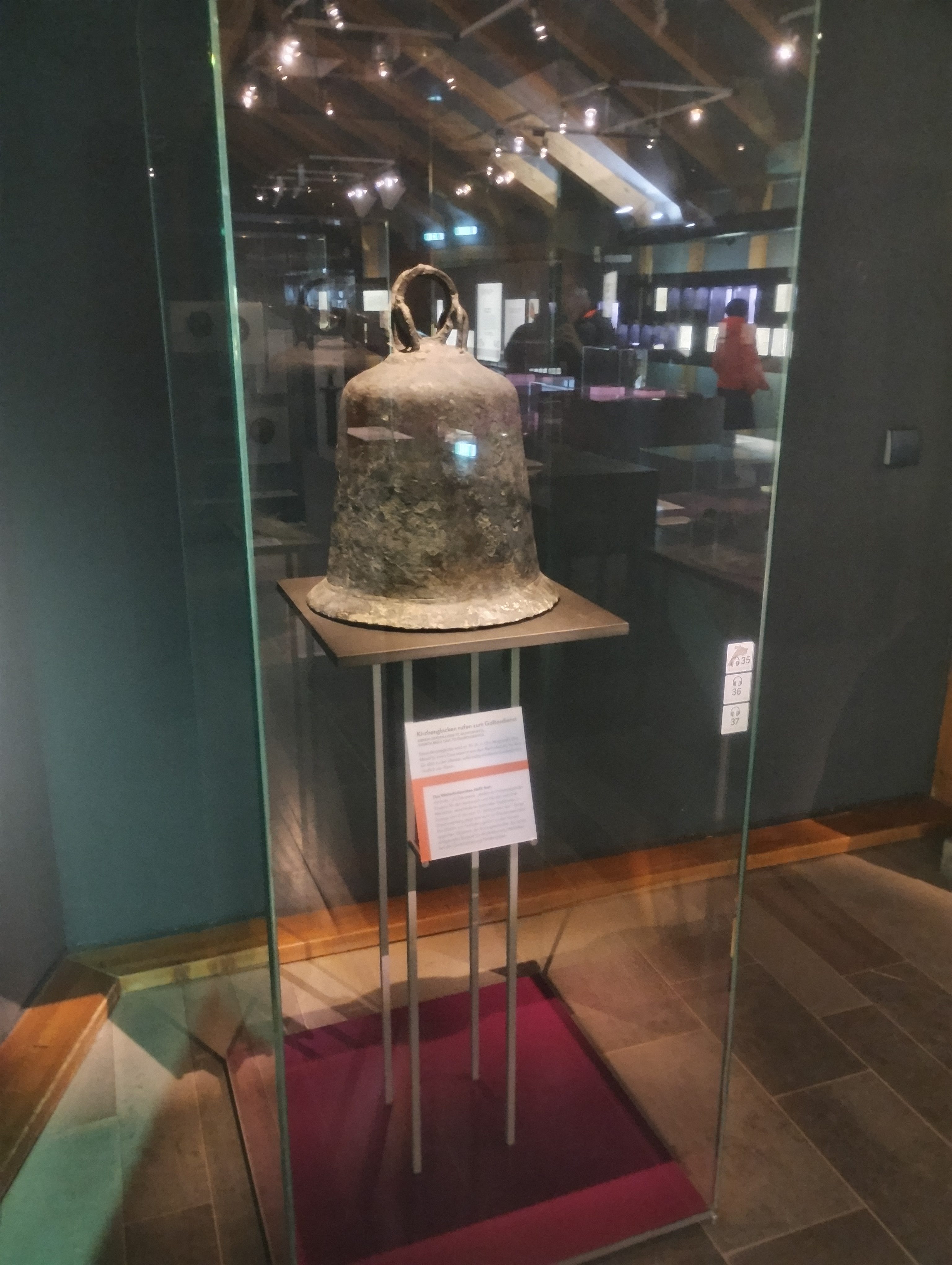
Today, where Hedeby once was, lies a vast archeological site attached to a dedicated museum showcasing a large amount of finds - all more or less one thousand years old - including runestones, everyday items, old coins, swords and jewelry, as well as the remnants of a long boat. If you have visited the Jorvik Viking Centre in York you probably already know what to expect from the permanent exhibition, but I have to warn you: they don't have a human coprolite. The museum is also very keen on letting you know that the exhibition is made of just (a fraction of) around 5% of what was originally underground and has since been excavated and brought to the surface. Luckily, that 5% includes my personal favourite, that is: the oldest whole churchbell ever found north of the Alps.
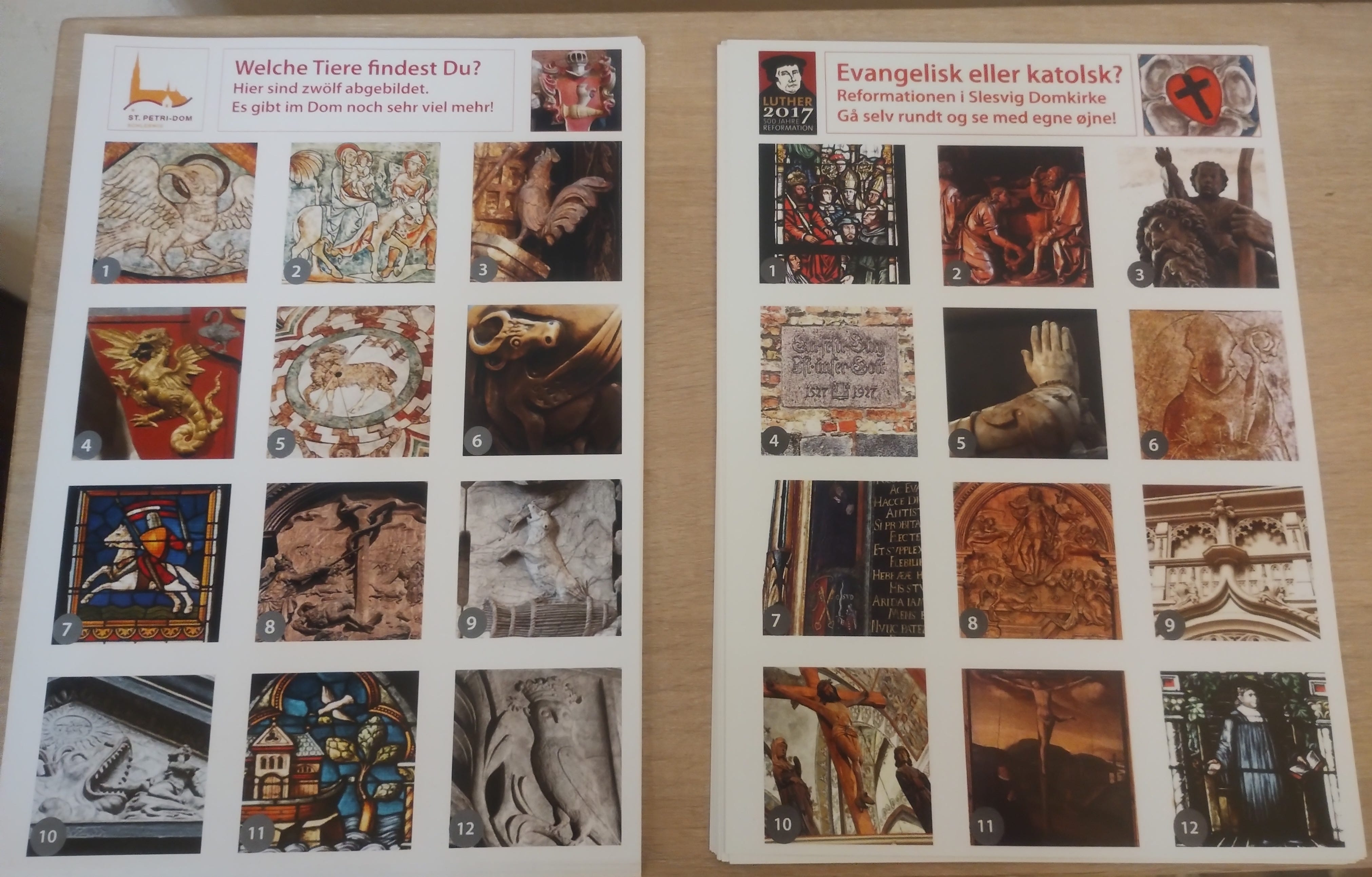
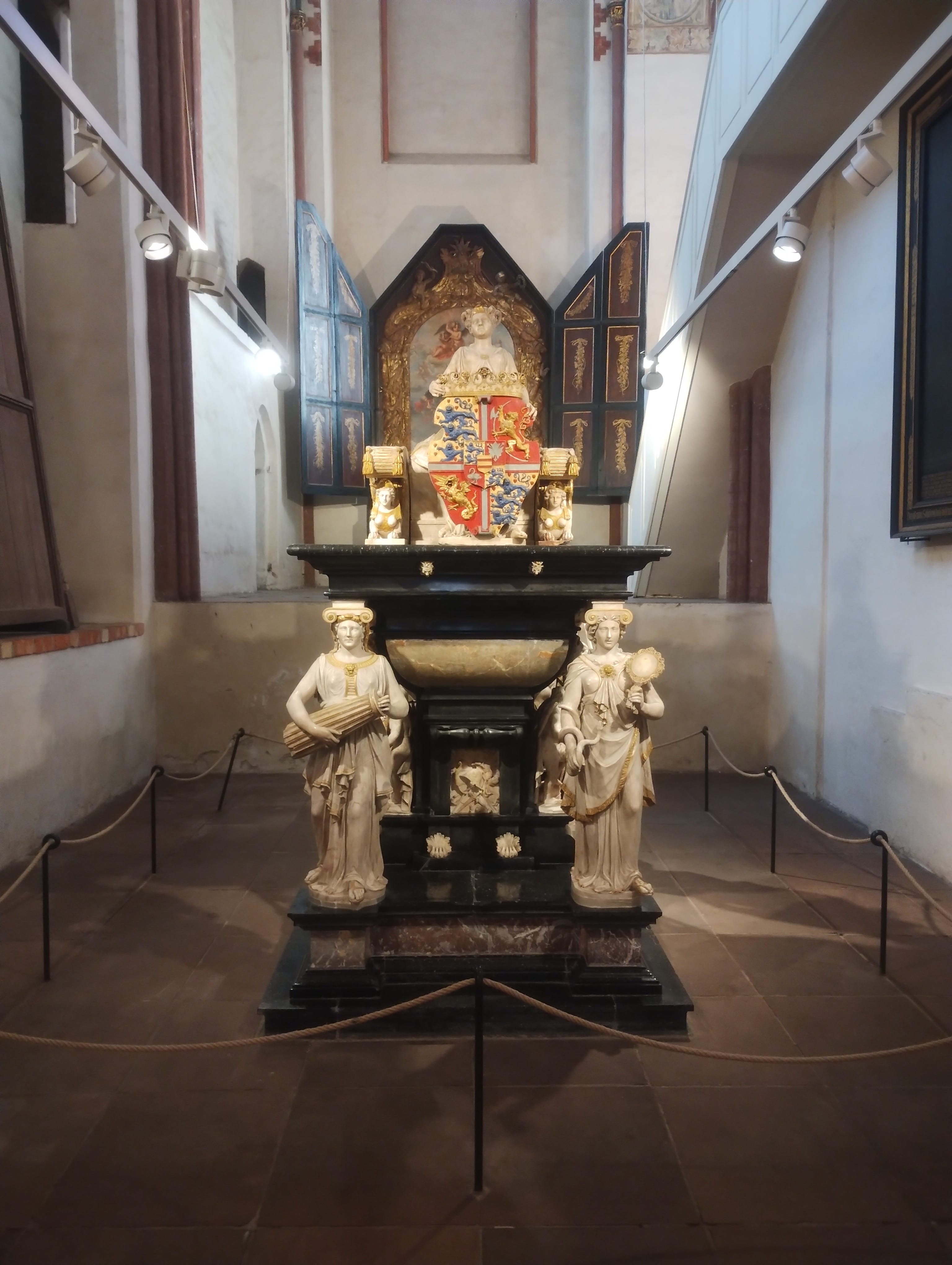
I could not hear much Danish spoken around Schleswig. There was also none on street signs or information boards. Kiosks weren't selling Danish newspapers either. There was not even a local branch of the SSW in town. But if museum labels are meant to reveal something about the average visitor, then at least in this respect, German and Danish was the most common combination in almost all the places I have been to. More intriguing was the choice made by the Cathedral of Schleswig to print different versions of flyers for Danish and German speakers, with the former being asked to go around and spot the differences between protestant and catholic elements present in the church, and the latter being challenged to detect the animals in the building. In the meantime, only a few steps away, in what looks like an impressive win for interfaith dialogue, the last catholic king of Denmark and Norway is being commemorated with a huge Cenotaph inside a protestant cathedral in Germany.
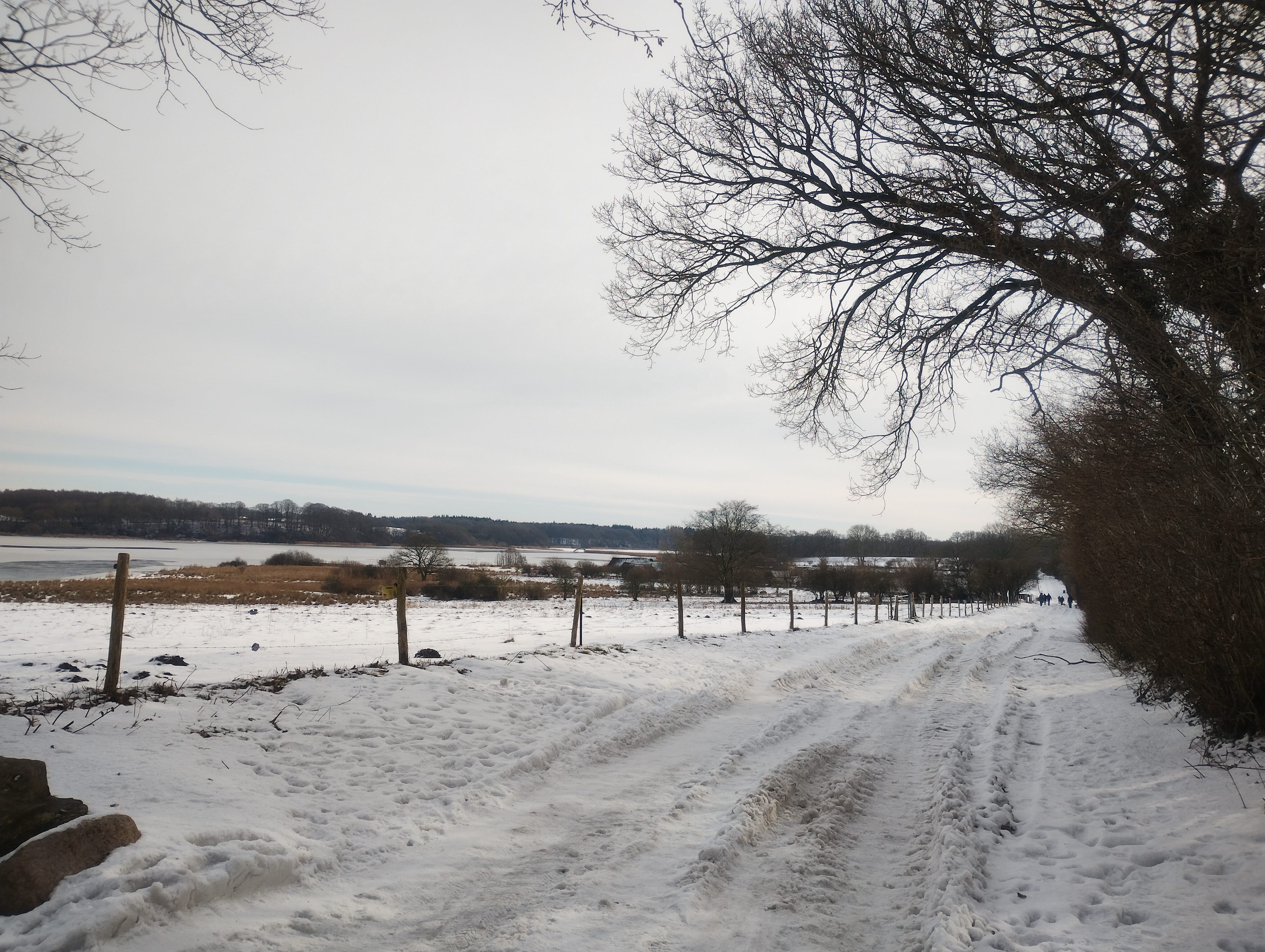
Out in the freezing weather, not far from the cathedral, one thing that definitely spoke Danish to me was Holm Schleswig, an old fishing village built around a cemetery which seems to have been teleported there directly from the cutest areas of Ribe, Aarhus or Aalborg (but only after someone took care of hiding all the Dannebrogs). And there, down a narrow alley - provided one could dodge the ice falling from the roofs and maintain a minimum amount of grip on the slippery cobblestones - the view on the frozen Schlei wasn't bad at all.
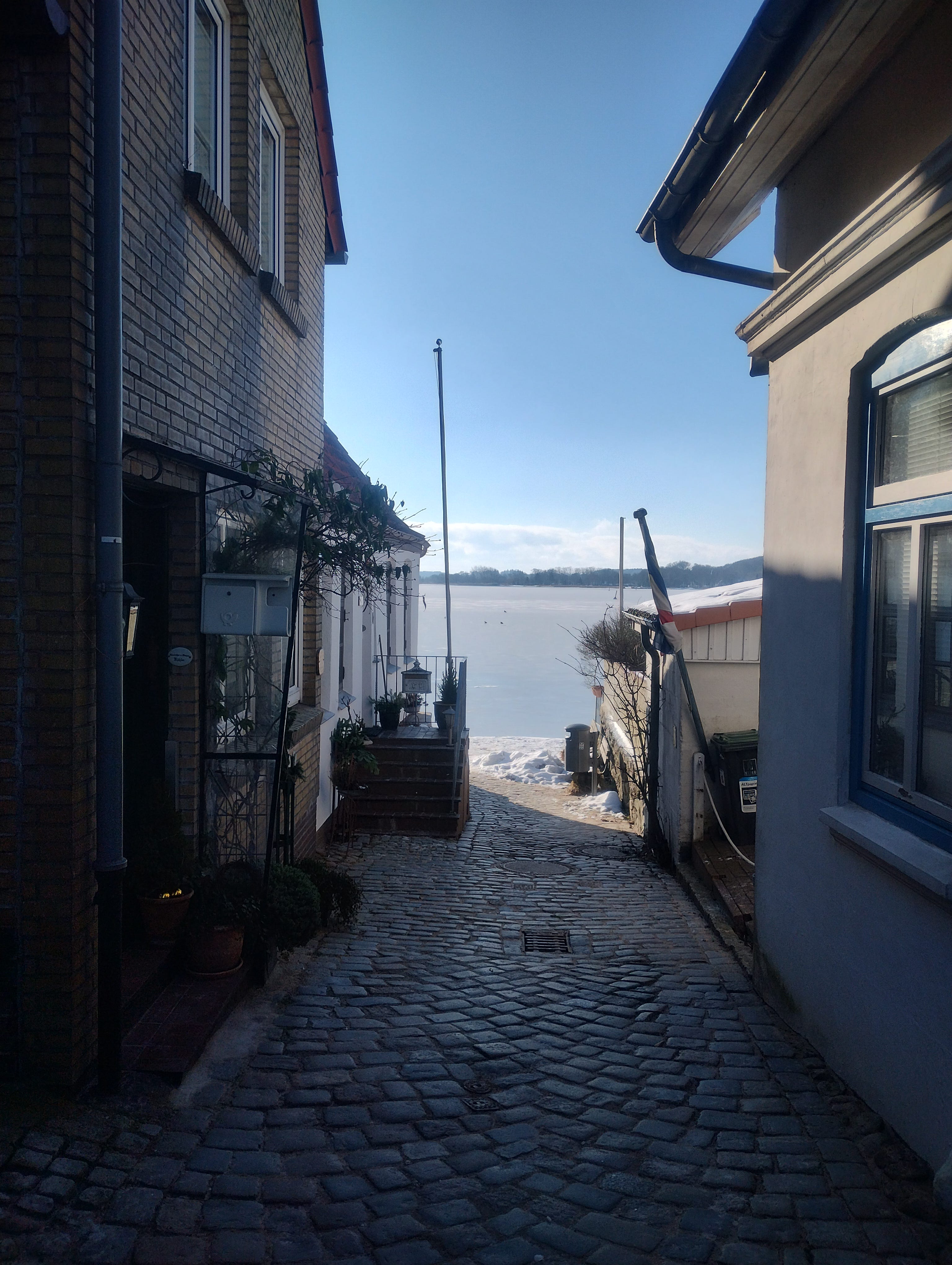
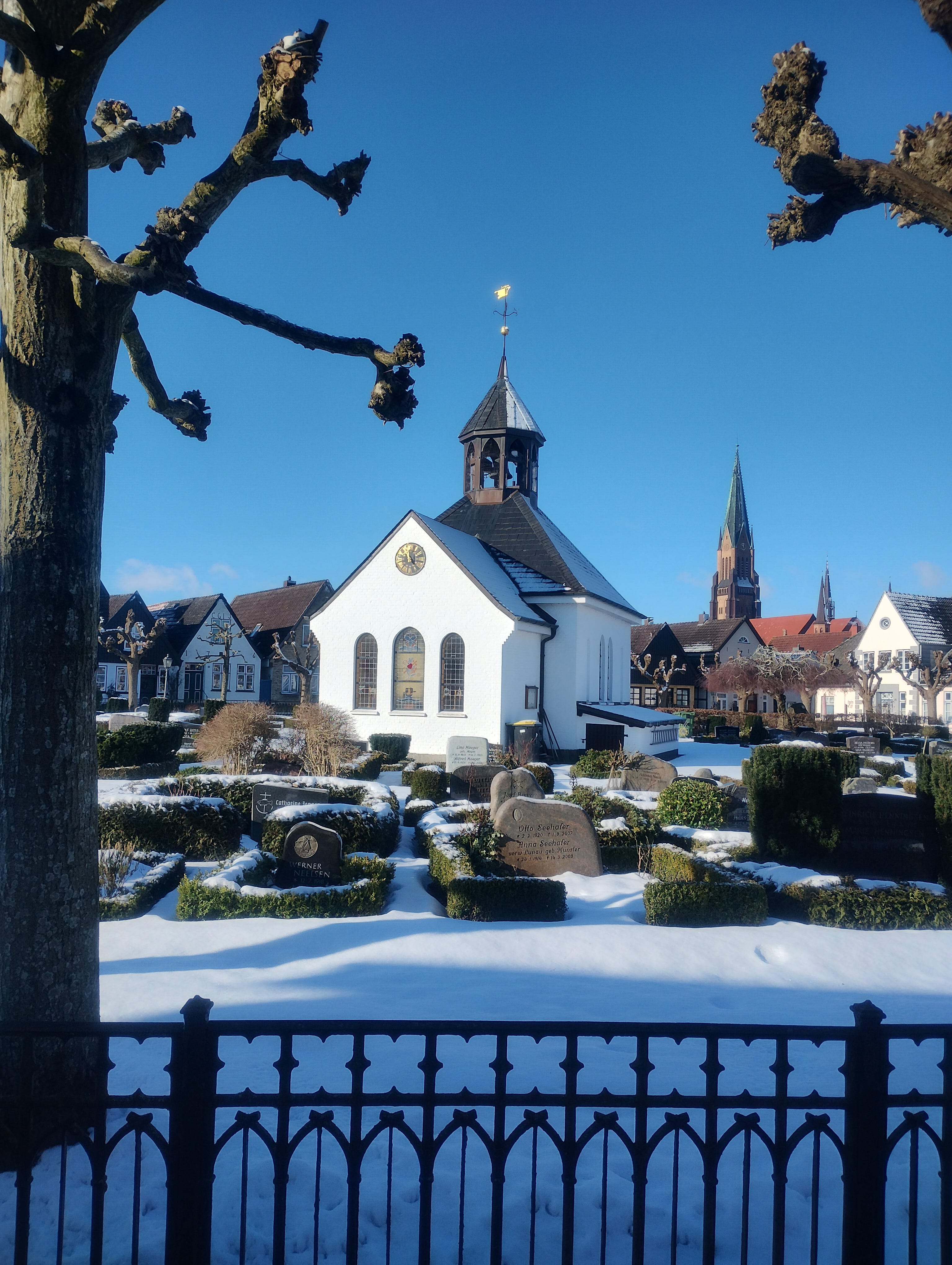
From that spot, someone could have attempted to walk on the ice to reach the opposite side of the inlet. Not feeling brave enough, I boarded the local bus instead, which in around 40 minutes took me to Carlshöhe, a newly developed residential area near Eckerförde where Galerie Rieck is hidden. Here modern and contemporary Scandinavian (i.e. mostly Danish) art is on display (and on sale too), including paintings of Bornholm and Skagen next to more abstract takes of both Danish and German artists. I can’t claim I understand it, but I found Jens Christian Jensen’s compositions made of objects like springs or brushes stuck onto a panel quite intriging. Resting for lunch in a cafè near the gallery after the visit, I found out that I do like mustard after all, but only when it's mixed with honey.
I think it’s fair to say that Schleswig does not vibe like a border town. And yet, it seems to occupy a strange spot: far enough from the border not to show any obvious links to Denmark but also not distant enough to be able to hide entirely centuries of interactions and exchanges.
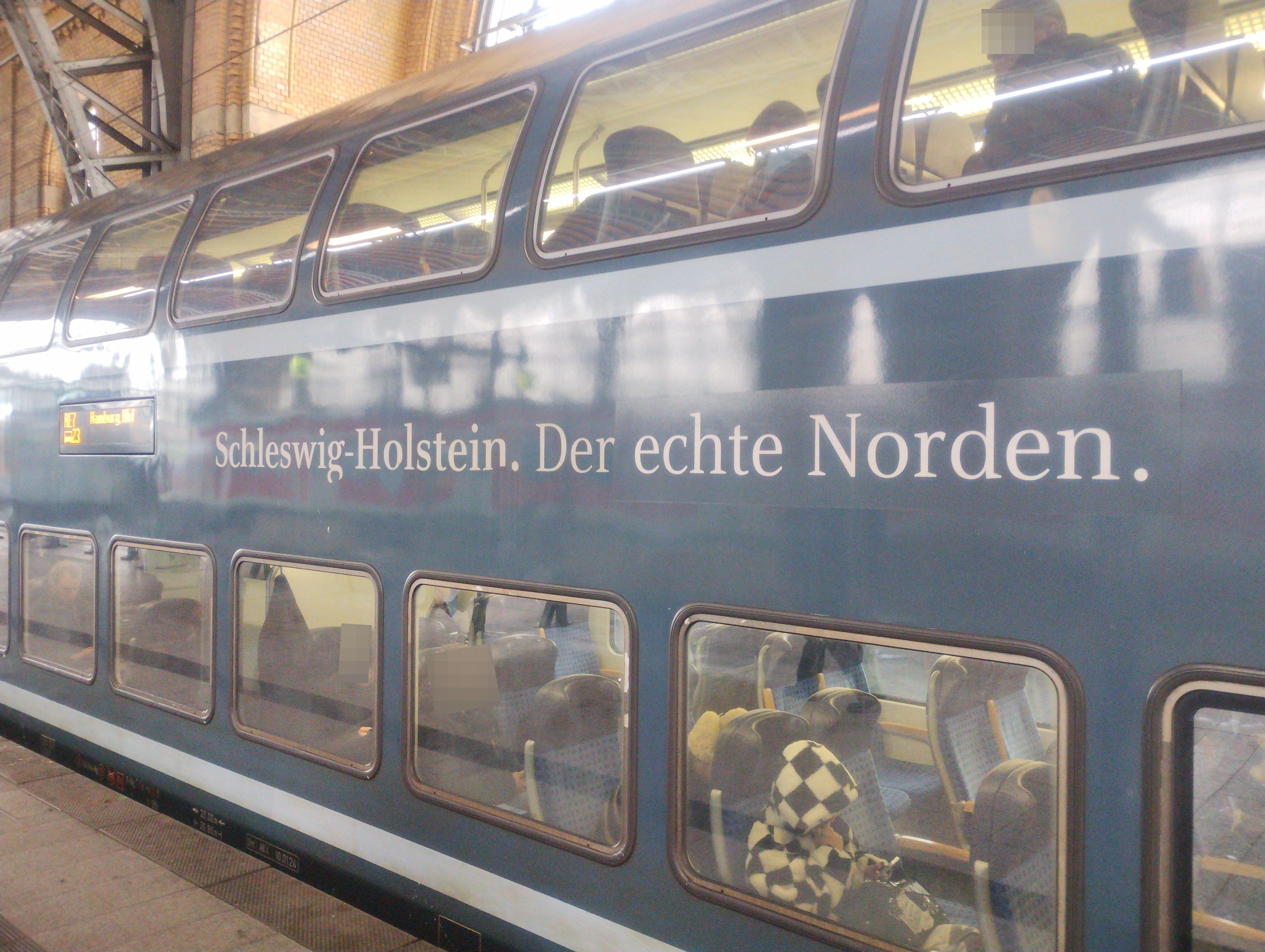
Stepping outside of the regional train that took me back to Hamburg, it amused me to discover that the official slogan of Schleswig-Holstein printed on the livery reads “the real North”. I wonder what a Dane on holiday would think of it.